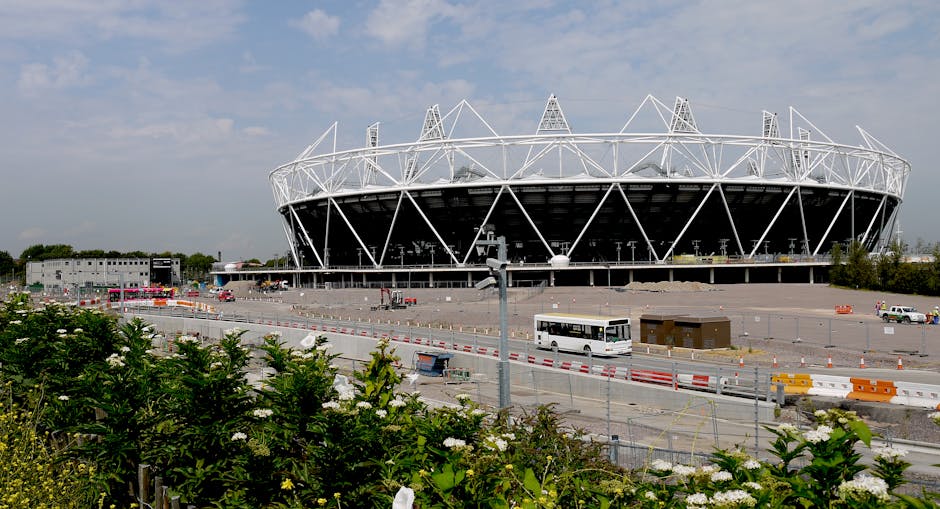
Queen Elizabeth Olympic Park waste removal rules for events: a practical guide for organisers
If you are planning an event at Queen Elizabeth Olympic Park, waste management is not a side issue you tidy up later. It shapes your licence conditions, your operational flow, your clean-up time, and sometimes whether the day runs smoothly at all. The rules around Queen Elizabeth Olympic Park waste removal rules for events can feel a bit formal at first, but once you break them down, they are mostly about keeping the park safe, tidy, accessible, and ready for the next visitor. That is fair enough, really.
This guide explains what the rules usually mean in practice, how event waste removal tends to work, who needs to think about it, and how to avoid the mistakes that cause last-minute stress. You will also find a checklist, a comparison table, and some practical advice for working with a rubbish removal team without creating extra hassle.
One quick note: event requirements can vary depending on the size, location, and nature of the event, so always confirm the details for your specific booking. Still, there are clear patterns, and once you know them, everything gets a lot easier.
- Why the rules matter
- How waste removal works at the park
- Benefits for organisers and visitors
- Who needs to follow these rules
- Step-by-step guidance
- Expert tips for smoother event waste handling
- Common mistakes to avoid
- Tools, resources and recommendations
- Law, compliance and best practice
- Options and comparison table
- Real-world example
- Practical checklist
- Conclusion
- Frequently asked questions
Table of Contents
- Why Queen Elizabeth Olympic Park waste removal rules for events Matters
- How Queen Elizabeth Olympic Park waste removal rules for events Works
- Key Benefits and Practical Advantages
- Who This Is For and When It Makes Sense
- Step-by-Step Guidance
- Expert Tips for Better Results
- Common Mistakes to Avoid
- Tools, Resources and Recommendations
- Law, Compliance, Standards, or Best Practice
- Options, Methods, or Comparison Table
- Case Study or Real-World Example
- Practical Checklist
- Conclusion
- Frequently Asked Questions
Why Queen Elizabeth Olympic Park waste removal rules for events Matters
Event waste rules matter because the park is a busy public destination with strict expectations around presentation, safety, access, and environmental responsibility. When people are arriving for a festival, sports activation, brand launch, community event, or private function, they should not be met by overflowing bins, loose packaging, or a trail of drinks cups blowing across the walkways. Not exactly the welcome anyone wants.
From an organiser's point of view, waste removal is part of the event operation, not just the end-of-day tidy-up. It affects queue areas, food and drink zones, back-of-house storage, delivery routes, and the handover when the event finishes. If the waste plan is weak, you often see knock-on problems: blocked access, extra labour, slower pack-down, safety concerns, and unhappy site managers.
There is also a reputational side. A well-run event looks calm, considered, and professional. A messy one looks rushed, even if the rest of the programme was brilliant. To be fair, most guests never think about waste management when it is working properly. They only notice it when it goes wrong.
Expert summary: the best event waste plan is the one that nobody notices. Bins are in the right place, collection is timed well, contaminated waste is kept separate, and the site is returned in clean condition without drama.
If you want your event to feel polished from start to finish, it helps to think about waste the same way you think about crowd flow or power supply. It is part of the event architecture. A quiet but essential one.
How Queen Elizabeth Olympic Park waste removal rules for events Works
In practice, waste removal at the park is usually governed by a mix of venue requirements, event-specific instructions, and general UK waste-handling expectations. The exact process can vary, but most organisers should expect a few consistent elements.
First, there is the pre-event planning stage. This is where you estimate the types of waste your event will produce: mixed general waste, food waste, cardboard, drinks containers, packaging, wood offcuts, signage materials, and perhaps bulky items from staging or temporary structures. You then decide where waste will be stored, how often it will be collected, and who is responsible for each stream.
Second, there is the on-site management stage. This is the bit people underestimate. Staff need to know which bins are for which materials, where the collection points are, and what to do when a bin fills faster than expected. If the public can see waste areas, they also need to stay tidy. An open skip with loose rubbish spilling out creates an instant problem, even if it is technically "in the right place".
Third, there is the post-event clearance stage. This is where waste is removed from the site promptly and responsibly. The park or venue team may require the area to be left clean, swept, and clear of debris. If items are contaminated or mixed badly, that can slow down disposal and increase costs. You know how it goes: one careless bag of mixed rubbish and the whole load becomes awkward.
For larger events, there may also be a requirement to coordinate with approved contractors, security teams, or site operations staff so waste vehicles arrive at the correct times and use approved access routes. Traffic flow matters. So does timing. A collection at the wrong moment can clash with visitor arrivals or emergency access, and nobody wants that.
It is also normal for organisers to be asked for evidence of good waste practice. That might include a waste management plan, contractor details, collection schedules, recycling arrangements, and proof of insurance or safety controls. If you have that ready before anyone asks, you are already ahead.
Key Benefits and Practical Advantages
Following the park's waste removal rules is not just about avoiding trouble. It has real operational benefits, and some are more obvious than others.
- Smoother event flow: when waste points are properly located, staff spend less time improvising and more time keeping the event moving.
- Better visitor experience: tidy spaces feel safer, cleaner, and more welcoming.
- Lower risk of contamination: separating recyclables from general waste improves disposal quality and can reduce avoidable charges.
- Less pack-down stress: if waste is sorted during the event, the end-of-day clear-up is far less frantic.
- Stronger environmental performance: good separation and responsible removal support sustainability goals.
- Clearer accountability: when responsibilities are written down, there is less room for confusion between suppliers, stewards, and venue staff.
There is also a softer benefit that is easy to overlook: trust. When venue teams see that your operation is clean, controlled, and respectful of the site, future planning becomes easier. People remember the organisers who leave a place as they found it, or close enough. That matters more than many people think.
If your event includes food traders, temporary bars, promo stands, or dismantled display materials, the benefits become even more noticeable. Waste multiplies quickly in those settings. A good system keeps it from snowballing into a mess by late afternoon.
Who This Is For and When It Makes Sense
This guidance is relevant for anyone responsible for event planning, site operations, or clean-up at Queen Elizabeth Olympic Park. That includes large commercial organisers, community event teams, production managers, venue coordinators, catering contractors, and facilities leads. If your role touches rubbish, bins, or clearance, this is your problem too. Sorry, but in a good way.
It especially makes sense when your event will generate more than a small amount of waste or when you are using temporary structures. Think of:
- sporting events and fan activations
- outdoor festivals and cultural events
- brand launches and experiential marketing days
- community fairs, family days, and charity events
- filming, production, or set-build activities
- private hires with catering and temporary furnishings
If your event is small, the rules still matter. A handful of bags can become a larger issue if they are left in the wrong place or collected at the wrong time. And if you are working with multiple suppliers, waste becomes a coordination issue rather than a "someone will sort it later" issue. That phrase, by the way, is responsible for plenty of chaos.
It also makes sense to review the rules early if your event is outdoors, runs across several hours, or uses a mix of public-facing and backstage areas. The more zones you have, the more likely waste handling needs a proper map rather than a vague plan in someone's notebook.
Step-by-Step Guidance
Here is a practical way to handle event waste planning without overcomplicating it.
- Start with the event type and footprint. List the areas where waste will be created: catering, guest circulation, backstage, loading, signage, toilets, and storage.
- Estimate waste streams. Work out what you are likely to produce: general waste, recycling, food waste, cardboard, glass, wood, and bulky item waste.
- Check the site instructions early. Confirm any park-specific requirements for storage, access, collection timing, and segregation. Do not leave this until the week before.
- Choose collection points carefully. Bins should be easy to reach but not in the way of foot traffic, queues, or emergency routes.
- Brief your team and suppliers. A one-page waste brief is often enough. Keep it simple: what goes where, who empties what, and what happens if a bin fills up.
- Arrange removal before the event starts. If you need a clearance team, line them up in advance and confirm arrival times, site access, and any insurance or safety requirements.
- Monitor during the event. Check bins before they overflow. Swap them out, reposition them, or call for support if waste is building too fast.
- Clear and sweep the site. The finish line is not just taking rubbish away. It is leaving the area neat, safe, and free of loose debris.
That sounds simple, and mostly it is. The trick is doing the small things early. When the bins are positioned properly and the team knows the plan, everything feels calmer. Less scrambling. Less shouting into radios. More actual control.
A practical tip: make one person responsible for waste oversight. Not every person. One person. Otherwise, everyone assumes someone else has it covered, and that is how odd little piles of rubbish appear near the service gate.
Expert Tips for Better Results
After plenty of event jobs, a few habits consistently make a difference.
1. Separate waste at source where possible
If your event creates cardboard, food packaging, and general rubbish, separate it as early as you can. Once everything is mixed, recovery gets harder. Even basic separation can make clearance more efficient and tidy.
2. Place waste points where people naturally stop
Bins work best when they are easy to spot and easy to use. Put them near exits, catering areas, and rest zones, not hidden behind a barrier or wedged next to equipment. People will always use the nearest sensible option. Humans are wonderfully predictable like that.
3. Plan for the windy bits
Outdoor sites in London can get breezy at awkward times. Lightweight packaging, napkins, and leaflets can travel fast. Use covered bins where appropriate and keep loose materials under control from the first hour, not the last.
4. Think about back-of-house routes
If waste has to move through shared access routes, make sure it does not interfere with deliveries, guest movement, or emergency access. A clear route saves time and avoids awkward clashes with other contractors.
5. Match the clearance method to the job
Not every event needs the same waste setup. A small community day may only need bagged removal and a modest collection schedule, while a larger activation may need a larger vehicle, more frequent clearance, or a short-term waste station. Matching the method to the job avoids overpaying or underpreparing.
If you are arranging clearance support, it can also help to review a company's health and safety approach and insurance and safety information. For event work, those details are not decoration. They are part of what keeps the job reliable.
And yes, sometimes the smallest detail matters most. A single extra bin at the right entrance can save half an hour of tidying later. It sounds minor until you are trying to finish pack-down by dusk and the site is humming with trucks, tape, and tired people.
Common Mistakes to Avoid
Most waste problems at events are not dramatic. They are ordinary, avoidable oversights that get expensive because they were left too late.
- Waiting until the event build day to think about waste. By then, supplier coordination becomes messy.
- Using too few collection points. Overflow leads to litter, and litter spreads quickly.
- Mixing recyclable and general waste without a plan. That often increases handling difficulty and reduces recovery value.
- Ignoring access constraints. A clearance vehicle needs somewhere safe and permitted to operate.
- Leaving disposal responsibility vague. If nobody is named, nobody is truly accountable.
- Forgetting wet waste. Food waste and liquid spillages create odour and hygiene issues fast.
- Not checking end-of-event handback requirements. The last 10 percent can be the most important part.
One common mistake that catches people out is assuming a site looks fine because the main public areas are clean. Back-of-house can tell a different story. Crushed boxes, leftover cable ties, packaging offcuts, and broken signage often hide just out of view. But those little bits still count during clearance.
Another one: underestimating time. Waste removal always seems quick on paper. Then the bags are heavier than expected, the route is slightly longer than planned, and someone discovers a locked gate. Funny how that happens.
Tools, Resources and Recommendations
You do not need a massive toolkit to handle event waste well, but a few items and documents make the job easier.
- Waste plan: a simple written plan showing waste types, collection points, and responsibilities
- Site map: useful for marking bin locations, vehicle access, and back-of-house routes
- Briefing sheet: a one-page instruction sheet for staff and contractors
- Labels and signage: clear bin labels reduce contamination and confusion
- Gloves and basic PPE: sensible for anyone handling waste bags or sharp items
- Spare bags and liners: always worth having more than you think you need
- Dedicated waste contact: one named person to make decisions quickly
If you are comparing service providers, it helps to look beyond the headline price. Ask what is included, how collections are scheduled, whether recycling is separated, and how they handle heavier or awkward items. If you want a clearer view of service value, the company's pricing and quotes information can help set expectations before you commit.
For organisations that value environmental responsibility, it is sensible to ask about material recovery and disposal routes too. A clear recycling and sustainability approach can make event planning easier to defend internally, especially if you are reporting on environmental performance or simply trying to do things properly.
If you need a broader picture of the business behind the service, the about us page is a useful place to understand how they work and whether they are set up for the kind of event support you need.
Law, Compliance, Standards, or Best Practice
Event waste removal is usually shaped by general UK waste duties, duty of care expectations, and site-specific requirements rather than one single rulebook. That means you should treat compliance as a practical system: keep waste under control, store it safely, hand it over to the right people, and avoid causing nuisance or danger.
In plain English, that means:
- do not leave waste where it blocks access or creates a slip, trip, or fire risk
- keep mixed waste and recyclable streams organised where practical
- use responsible carriers and proper disposal routes
- make sure the site is left clean and free of debris after the event
- follow any park or venue instructions exactly, even if they seem a little fussy at first
For events, best practice often goes a step further than the minimum legal expectation. That may include documenting your waste plan, training staff on segregation, using covered containers where needed, and planning a final sweep before handover. It is a bit like making tea properly: you can rush it, but the result is rarely as good.
If a contractor is involved, check that they can explain their process clearly and that their terms are straightforward. You can also review their terms and conditions and privacy policy if you are sharing contact details or booking information through their website. These are small trust signals, but they matter when you are choosing who to rely on for a live event.
For public-facing event work, accessibility and fair communication are also worth considering. If your team or suppliers need website support information, the accessibility statement can be a useful sign that the business has thought about usability as well as operations.
Options, Methods, or Comparison Table
Different events need different waste-handling approaches. This table gives a simple comparison so you can choose the right method for your setup.
| Method | Best for | Advantages | Watch-outs |
|---|---|---|---|
| Bagged waste removal | Smaller events or low-volume clean-ups | Simple, flexible, easy to stage discreetly | Needs good handling if volumes rise quickly |
| On-site bin stations | Public events with steady visitor flow | Helps manage litter during the event | Requires clear signage and regular emptying |
| Sorted waste streams | Events with food, packaging, or cardboard | Better recycling control and tidier clearance | Needs staff training and monitoring |
| Bulk clearance support | Set builds, dismantles, or large pack-downs | Useful for large or awkward materials | May need more detailed access planning |
For many organisers, the best answer is not one method but a blend. A mix of bin stations, bag collection, and final bulk removal is often the most realistic setup. It sounds slightly untidy on paper, but in the field it usually works well.
Case Study or Real-World Example
Here is a realistic example based on a typical event scenario. A medium-sized outdoor community event is being staged at Queen Elizabeth Olympic Park with food stalls, family activities, and a small performance area. The organisers expect plenty of packaging waste, napkins, bottles, and some cardboard from stall setup.
Instead of treating waste as one big end-of-day job, the team sets up three bin clusters near the busiest visitor points and one back-of-house collection area for traders. Each trader gets a short briefing on what goes where, and the team names one person to monitor waste levels during the afternoon.
By mid-event, one food area begins filling faster than expected. Because the plan already allows for a quick swap-out, the bin is changed before it overflows. The final clean-up takes less time than expected because most waste has already been separated and bagged. No drama. No last-minute scramble. Just a calm handover at the end, which is exactly what you want when everyone is tired and the light is starting to fade.
The difference was not luck. It was planning. Not fancy planning either. Just enough structure to stop small problems becoming big ones.
And that is really the point of event waste rules: they are there to keep the day moving and the site respectful, not to make life harder for the sake of it.
Practical Checklist
Use this checklist before, during, and after your event.
- Confirm the site's waste requirements and any access rules
- Estimate the likely waste volume and waste types
- Decide where bins, bags, or collection points will go
- Brief traders, contractors, and stewards on segregation rules
- Check whether recycling or separate waste streams are required
- Arrange collection times that suit event flow and site access
- Keep spare liners, gloves, and cleaning materials available
- Nominate one person to oversee waste during the event
- Monitor bins regularly and empty before overflow happens
- Remove waste promptly at pack-down and sweep the area
- Make sure no loose debris, tape, or packaging is left behind
- Keep records if your event or venue requires proof of clearance
That checklist may look basic, but in event work the basics are often the difference between smooth and scrappy. Simple systems done well beat complicated systems done half-heartedly every time.
Get a free quote today and see how much you can save.
Conclusion
Queen Elizabeth Olympic Park waste removal rules for events are really about good event discipline: plan early, separate waste sensibly, protect access routes, and leave the site in strong condition. If you do those things well, the waste side of the event stops being a headache and becomes just another smooth part of the operation.
For most organisers, the smartest approach is to keep the plan simple but specific. Know what waste you will produce, know who is handling it, and know when it is leaving the site. That alone resolves a surprising amount of friction. And if you are still unsure, that is completely normal. Waste planning is rarely glamorous, but it is one of those behind-the-scenes jobs that makes everything else look easier.
When the last bag is gone and the space is quiet again, you will be glad you took it seriously.
Frequently Asked Questions
What are Queen Elizabeth Olympic Park waste removal rules for events?
They are the site and operational requirements that control how rubbish, recycling, and bulky waste are stored, handled, and removed during and after an event. The exact details can vary by event, but the aim is usually to keep the park safe, clean, and accessible.
Do I need a waste plan for a small event?
Usually, yes. Even small events can create enough waste to cause problems if there is no plan. A simple waste brief with bin locations, collection timing, and responsible people is often enough for smaller setups.
Can I just use regular bins and deal with the waste at the end?
Sometimes that works for very small events, but it is risky for anything with steady footfall or catering. Overflowing bins create litter, odour, and extra clean-up work. A little structure early on saves a lot later.
What types of waste are common at park events?
Typical event waste includes general rubbish, food waste, cardboard, drinks containers, packaging, signage materials, and sometimes timber or staging offcuts. The mix depends on the event type and the suppliers involved.
Are recycling arrangements usually expected?
Often, yes, especially where cardboard, bottles, or other separable materials are likely. Even if recycling is not formally mandated for every setup, it is usually regarded as best practice and helps keep disposal cleaner and more efficient.
Who is responsible for waste removal during an event?
Responsibility is usually shared, but it should be clearly assigned. The organiser normally holds overall responsibility, while traders, contractors, or clearance teams may have specific tasks. The key is making sure nobody assumes someone else is doing it.
How early should I arrange waste clearance support?
As early as possible, especially for larger or more complex events. Early planning helps with access, scheduling, and site coordination. Last-minute arrangements can work, but they are rarely the calmest option.
What happens if waste is left behind after the event?
Left-behind waste can delay handover, create safety issues, and lead to extra removal work. It may also affect future approvals or relationships with the venue if the site is not returned in the expected condition.
Do I need special handling for food waste?
Often, yes. Food waste can create hygiene and smell issues quickly, especially in warm weather. It is best kept separate where practical and removed promptly rather than left to build up.
Should I ask a waste contractor about insurance and safety?
Absolutely. For event work, insurance, safety controls, and clear working practices are essential. If a contractor cannot explain how they manage site safety, that is a warning sign.
What is the biggest mistake organisers make with event waste?
The biggest mistake is leaving waste planning too late. Once the event build begins, every decision becomes harder. A modest plan made early is much better than a perfect plan that arrives on the day.
How do I choose the right removal option for my event?
Look at waste volume, access, event duration, and whether you need sorting or bulk clearance. Smaller events may only need bagged removal, while larger or more complex events usually benefit from bin stations and scheduled collection. If in doubt, ask for a tailored quote and check what is included.